Deposit and payment safety
Handing over money is the moment you have the least protection and the least leverage. A few simple rules keep your cash safe, so that if anything goes wrong you’re not the one left out of pocket.

How much should a deposit be?
There’s no fixed rule, but a modest deposit — enough to secure materials, not the bulk of the job — is normal. Be wary of anyone demanding a large share of the total upfront, especially before a survey has even confirmed what’s possible. The savvy position is simple: the less of your money that sits with someone else before the work is done, the safer you are.
Ways to keep your money protected
- Pay by credit card where you can. For eligible purchases, Section 75 of the Consumer Credit Act can make the card provider jointly liable if things go wrong.
- Look for deposit protection or insurance-backed schemes. Many reputable installers offer cover so your deposit is safeguarded if the company ceases trading.
- Never pay in cash for a discount. A cash-only “saving” usually just removes your paper trail and your protection.
- Hold back a final payment. Keep a meaningful balance due on satisfactory completion, not before.
- Get every payment in writing. Amounts, dates and what each stage covers should all be in the contract.
Prefer installers who protect your deposit?
We’ll match you with vetted local firms so you can ask about deposit protection up front.
Get savvy quotes →Spreading the cost safely
If paying in one lump is a stretch, that’s fine — just choose the route deliberately rather than under pressure. Some homeowners look at finance so they can keep a card’s protection and avoid a big cash outlay. It’s worth understanding ways to spread the cost, subject to eligibility before you agree any payment plan, so the terms suit you rather than the seller. Any funding or contribution options are always subject to eligibility and a home survey.
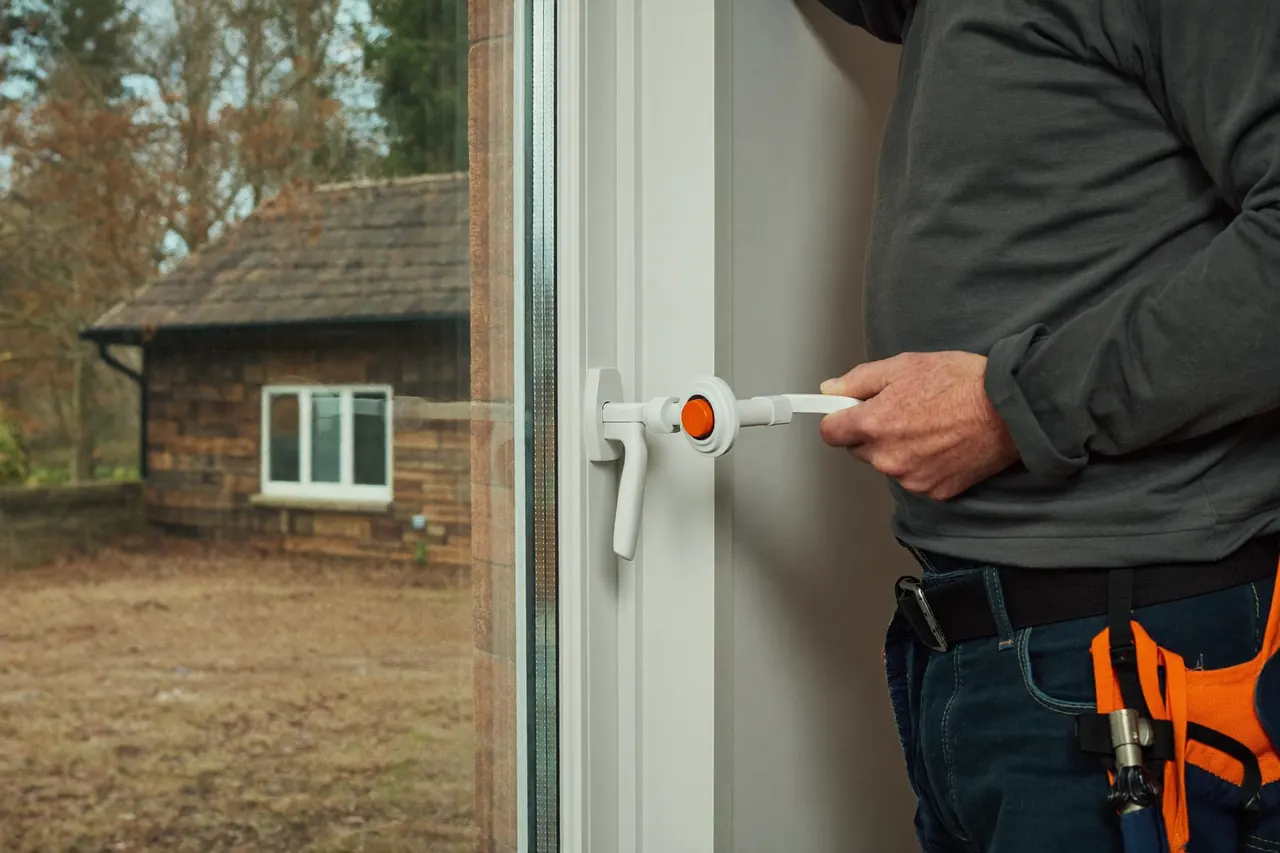
Savvy rule of thumb: your biggest payment should be your last one, made only when the windows are in and you’re happy. Anyone who needs it the other way round is asking you to carry the risk.
What to do if something goes wrong
Protecting your money upfront matters most when a job goes sideways, so it’s worth knowing your position before you ever need it. If you paid a deposit by credit card, your card provider may share liability for eligible purchases. If the installer belongs to a competent-person scheme or offers an insurance-backed guarantee, there may be a route to resolve disputes or have work put right even if the firm stops trading. Keep every receipt, email and version of the contract, and put any complaint in writing so there’s a clear record. The savvy buyer never relies on goodwill alone — they arrange things so that, in the worst case, the paperwork and the payment method are on their side.
Keep reading
Deposit protection and guarantees go together, so read reading the small print and checking installer credentials to make sure the firm holding your money is one worth trusting.
Buy with your money protected
Installers in many areas have survey appointments this month. Get free, no-obligation quotes and ask about deposit protection.
Get savvy quotes →